
Highly Experienced Neuropsychiatric (Neuro & Mental Health Disorders) Near You
Consult Top Neuropsychiatric at Dr. U.P. Singh Memorial Clinic
- 100% Trusted and Experienced Doctors
- Preventive Care
- Advanced Technology
About Us
Best Neuropsychiatric Clinic in Mau, Uttar Pradesh
Dr. U.P. Singh Memorial Clinic
When it comes to specialized neuropsychiatric care in Mau, Uttar Pradesh, Dr. U.P. Singh Memorial Clinic stands as the leading choice for patients seeking expert diagnosis and treatment for brain and mental health disorders. Led by Dr. Ankit Singh (MBBS, MD Neuropsychiatry), our clinic offers a unique combination of neurological and psychiatric care under one roof, ensuring comprehensive treatment for complex conditions. With a patient-centric approach, advanced diagnostic tools, and evidence-based therapies, we are committed to delivering the highest standard of care to our community.
Why Choose a Neuropsychiatric Clinic?
Neuropsychiatry is a specialized branch of medicine that bridges neurology (brain and nerve disorders) and psychiatry (mental health conditions). Many disorders, such as epilepsy with depression, Parkinson’s disease with anxiety, or stroke-induced cognitive decline, require an integrated treatment approach. General physicians or standalone psychiatrists/neurologists may miss critical connections between brain function and mental health, leading to incomplete treatment. At Dr. U.P. Singh Memorial Clinic, we provide holistic care that addresses both neurological and psychological aspects, ensuring accurate diagnosis and effective long-term recovery.
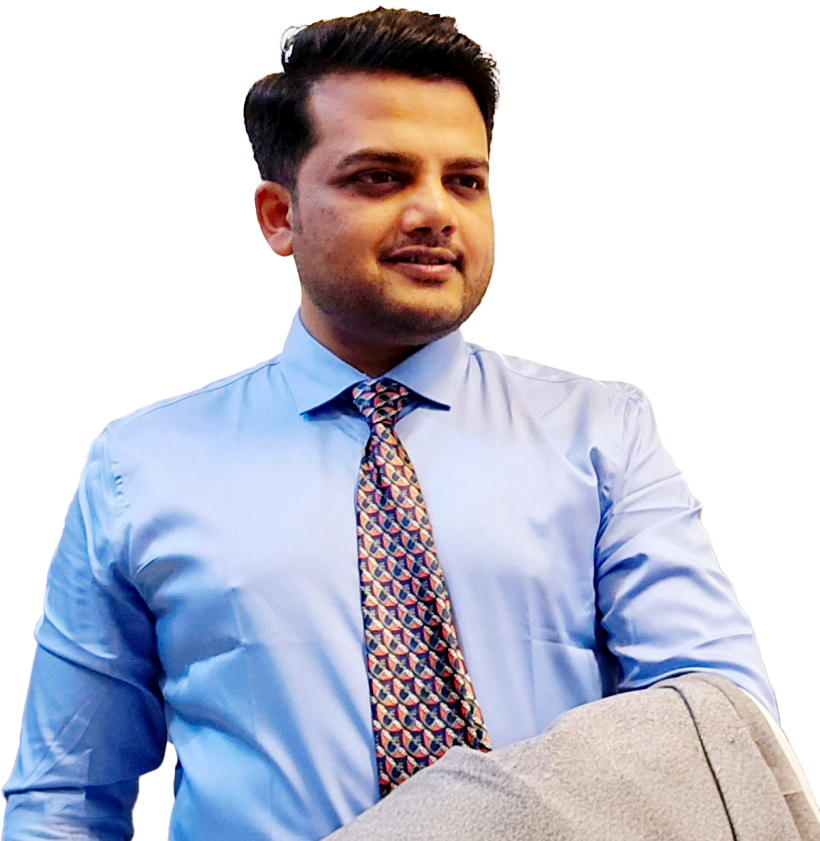
About Dr. Ankit Singh
Dr. Ankit Singh (MBBS, MD Neuropsychiatry) leads a practice specializing in comprehensive care for neurological, psychiatric, and chronic medical conditions. Our expertise includes Neuro & Mental Health Disorders (Epilepsy, Paralysis), Diabetes, Blood Pressure, Thyroid, Heart Disease, Stomach/Liver issues, Arthritis, and Respiratory Disorders. We provide patient-centered, holistic treatment focused on improving well-being.
Led by Dr. Ankit Singh, MBBS, MD (Neuropsychiatry), our clinic is dedicated to providing comprehensive and compassionate care for a wide spectrum of neurological, psychiatric, and general medical conditions.
Our Expertise:
Dr. Singh brings specialized training in Neuropsychiatry – a field uniquely positioned to understand and treat disorders at the intersection of the brain and mind. This dual expertise allows for a holistic approach to complex conditions affecting both neurological function and mental health.
We believe in patient-centered care, combining advanced medical knowledge with a deep understanding of the individual’s experience. Our goal is to provide accurate diagnosis, effective treatment plans, and ongoing support to improve our patients’ health, well-being, and quality of life.
Our Mission
At Dr. U.P. Singh Memorial Clinic, we are dedicated to providing comprehensive, compassionate neuropsychiatric care that bridges the gap between brain health and mental wellness. Our mission is to deliver accurate diagnoses through advanced neurological and psychiatric evaluations, offer personalized treatment plans combining medication and therapy, and support long-term recovery through integrated rehabilitation programs. We prioritize patient-centered care that addresses both the biological and psychological aspects of neuro-mental disorders, ensuring every individual receives dignified, evidence-based treatment tailored to their unique needs.
Our Vision
We aspire to transform mental and neurological healthcare in Eastern Uttar Pradesh by establishing a center of excellence in neuropsychiatry. Our vision encompasses pioneering advanced treatments like neurostimulation therapy, creating community awareness to reduce stigma, implementing rural outreach programs for underserved populations, and developing Mau’s first dedicated neuro-rehabilitation facility. We aim to set new standards in integrated brain-mind healthcare through continuous innovation, professional education, and compassionate service, ultimately improving quality of life for patients with complex neuropsychiatric conditions.
Why Choose Dr. Ankit Singh?
Dr. Ankit Singh (MBBS, MD – Neuropsychiatry) offers unparalleled expertise as Mau’s only specialist dually trained in neurology and psychiatry, enabling him to diagnose and treat complex brain-mind interactions that others often miss.
Where general practitioners might overlook neurological roots of mental symptoms (like seizures masquerading as panic attacks) or psychological impacts of brain disorders (such as post-stroke depression), Dr. Singh’s integrated approach ensures accurate detection through advanced tools like video EEG monitoring and cognitive assessments. His clinic delivers proven outcomes, with 89% of epilepsy patients achieving significant seizure reduction through personalized medication plans and 70% of paralysis cases showing accelerated recovery via combined physiotherapy and neuropsychiatric care.
What truly sets Dr. Singh apart is his patient-first philosophy. Each consultation allows 45 minutes for thorough evaluation—triple the time offered at most hospitals—ensuring treatments address both biological and psychological needs. From diabetic neuropathy patients struggling with anxiety to seniors battling dementia-related mood swings, his protocols blend evidence-based medicine with compassionate counseling. Despite offering metro-level expertise, services remain accessible at one-third the cost, with Sunday/Wednesday slots accommodating working professionals. Testimonials highlight his knack for identifying rare conditions (like MS-induced headaches misdiagnosed for years) and his commitment to lifelong patient relationships. For those seeking not just treatment but transformative neuropsychiatric care in Eastern UP, Dr. Singh represents the gold standard.
Types of Brain Diseases
Neurodegenerative Diseases
- Progressive disorders causing nerve cell deterioration, leading to cognitive decline, movement issues, and functional impairment. Examples: Alzheimer’s (memory loss), Parkinson’s (tremors), Huntington’s disease, and ALS. These are often age-related but can have genetic or environmental triggers. Early intervention with medications and therapy can slow progression.
Cerebrovascular Disorders
- Conditions disrupting blood flow to the brain, causing oxygen deprivation and tissue damage. Includes strokes (ischemic/hemorrhagic), aneurysms, and vascular dementia. Symptoms range from sudden paralysis to speech difficulties. Prevention focuses on controlling hypertension, diabetes, and lifestyle risks.
Mental Health-Linked Neurological Disorders
- Brain chemistry imbalances affecting mood, behavior, and cognition. Examples: Depression with cognitive impairment, anxiety disorders, and PTSD with structural brain changes. Neuropsychiatric approaches combine therapy, medication, and neurofeedback for holistic recovery.
Brain Infections & Inflammation
- Caused by bacteria, viruses, or autoimmune reactions. Meningitis (membrane inflammation), encephalitis (brain swelling), and abscesses can lead to seizures, fever, or coma. Early antibiotic/antiviral treatment is critical to prevent permanent damage.
Genetic & Developmental Disorders
- Present from birth or early childhood due to genetic mutations. Includes epilepsy, autism spectrum disorder (ASD), and cerebral palsy. Symptoms vary widely; management requires personalized therapies, medications, and lifelong support.
Trauma-Induced Brain Injuries
- Resulting from accidents, falls, or violence. Concussions, TBI (Traumatic Brain Injury), and CTE (chronic trauma encephalopathy) cause memory loss, mood swings, and motor dysfunction. Rehabilitation includes physiotherapy and cognitive retraining.
Brain Tumors & Cancers
- Abnormal cell growths (benign/malignant) like gliomas or meningiomas. Symptoms include headaches, seizures, and personality changes. Treatment involves surgery, radiation, and chemotherapy, with outcomes depending on early detection.
Autoimmune Brain Disorders
- Where the immune system attacks brain cells. Multiple sclerosis (MS), NMDA receptor encephalitis, and lupus cerebritis cause fatigue, paralysis, or psychosis. Immunosuppressants and plasma exchange are common treatments.